
How To Choose A POS System In Thailand
Start With Your Business Goals
Before comparing features, define what success looks like for your business. Decide whether your priority is faster service, better inventory control, stronger reporting, customer loyalty, multi-location growth or greater operational visibility.
Think Beyond Today’s Requirements
A platform that works for one location today should still work if the business grows to three, ten or more locations. Choosing for the future can prevent an expensive system migration later.
Consider The Entire Business
The best platforms connect sales, inventory, staff, customers, reporting and operations. The more connected the information is, the easier it becomes to make informed decisions.
Common POS Mistakes Businesses Make
Choosing Based On Price Alone
Price matters, but value matters more. A cheaper system that creates operational problems can cost more than a professional platform that saves time, reduces waste and supports better decisions.
Ignoring Support
Ask who provides support, what happens when something goes wrong, whether local assistance is available and how staff training is handled. Technology is only useful when the team can rely on it.
Overlooking Reporting
Review sales, inventory, product, staff and multi-location reports before committing. Reporting limitations are often discovered only after implementation.
Underestimating Inventory
For hospitality and retail businesses, inventory is often one of the largest operating costs. Weak stock tools can lead to waste, shortages and poor purchasing decisions.
Choosing For Today Instead Of Tomorrow
Growth creates complexity. Make sure the system can support new users, locations, products, permissions and reports without forcing a complete replacement.
Questions To Ask Before Buying
Operational Questions
- How will this improve daily operations?
- Which processes will become easier?
- How long will implementation take?
- What happens if the internet connection is interrupted?
Reporting Questions
- Which reports are included?
- Are reports available in real time?
- Can reports be accessed remotely?
- Can locations and departments be compared?
Inventory Questions
- How is stock tracked?
- Can inventory be monitored across locations?
- Are low-stock and variance reports available?
- Can purchase orders and transfers be recorded?
Support And Growth Questions
- What training is included?
- Is local support available?
- Can the platform support multiple locations?
- Can functionality be added as the business grows?
Hardware Considerations
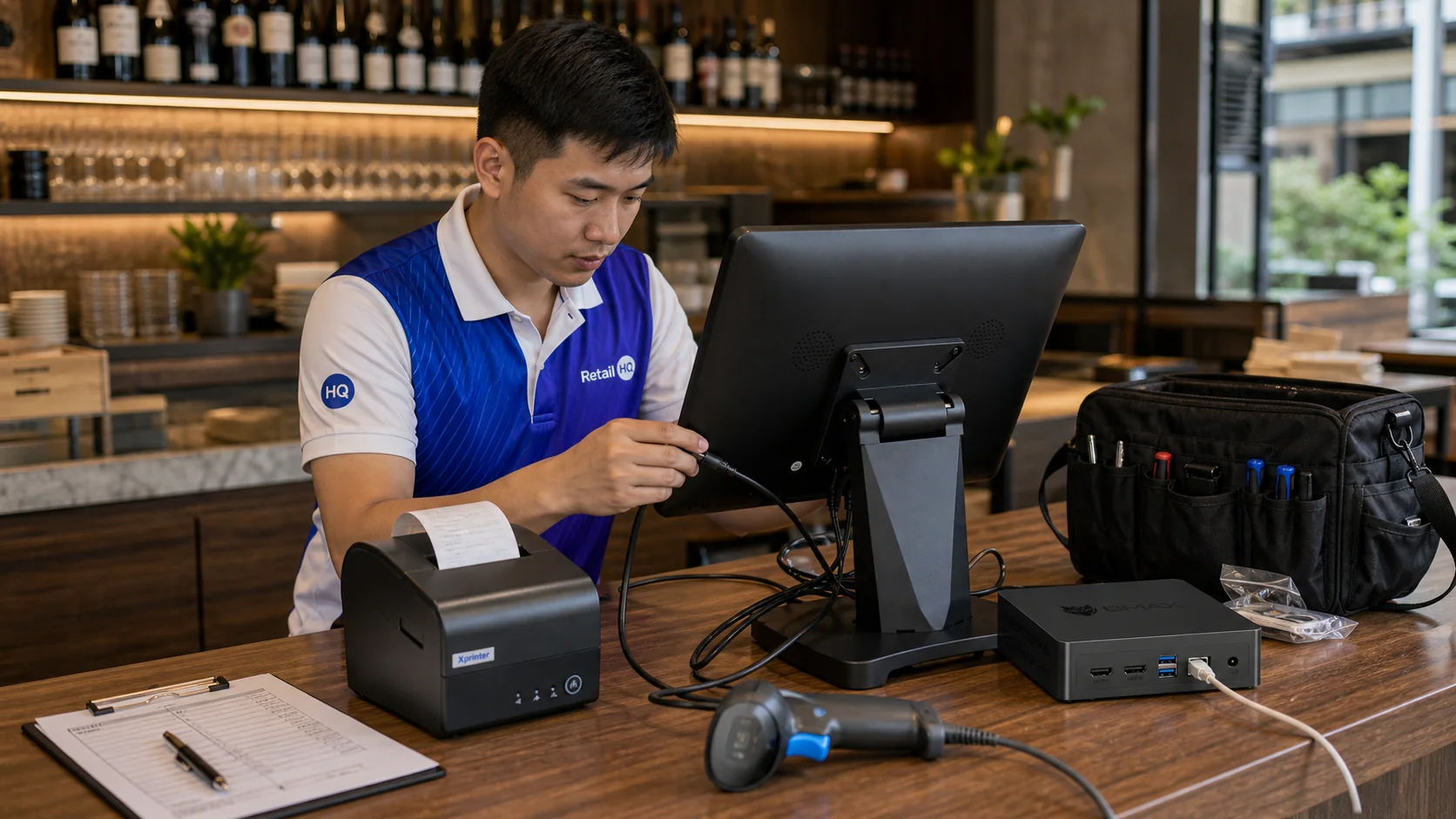
Hardware is the most visible part of a POS system, but it is only one part of the solution. Choose devices around the software and the operating environment.
POS Terminals
Terminals should be reliable, easy to use and appropriate for the available counter space, trading volume and staff workflow.
Printers And Kitchen Devices
Confirm receipt formats, kitchen routing, language requirements and printer locations. Busy venues should consider the effect of a printer failure and keep suitable backup supplies.
Handheld Devices
Handheld ordering can reduce delays and mistakes in restaurants, bars and hotels. Test Wi-Fi coverage in every service area.
Retail Hardware
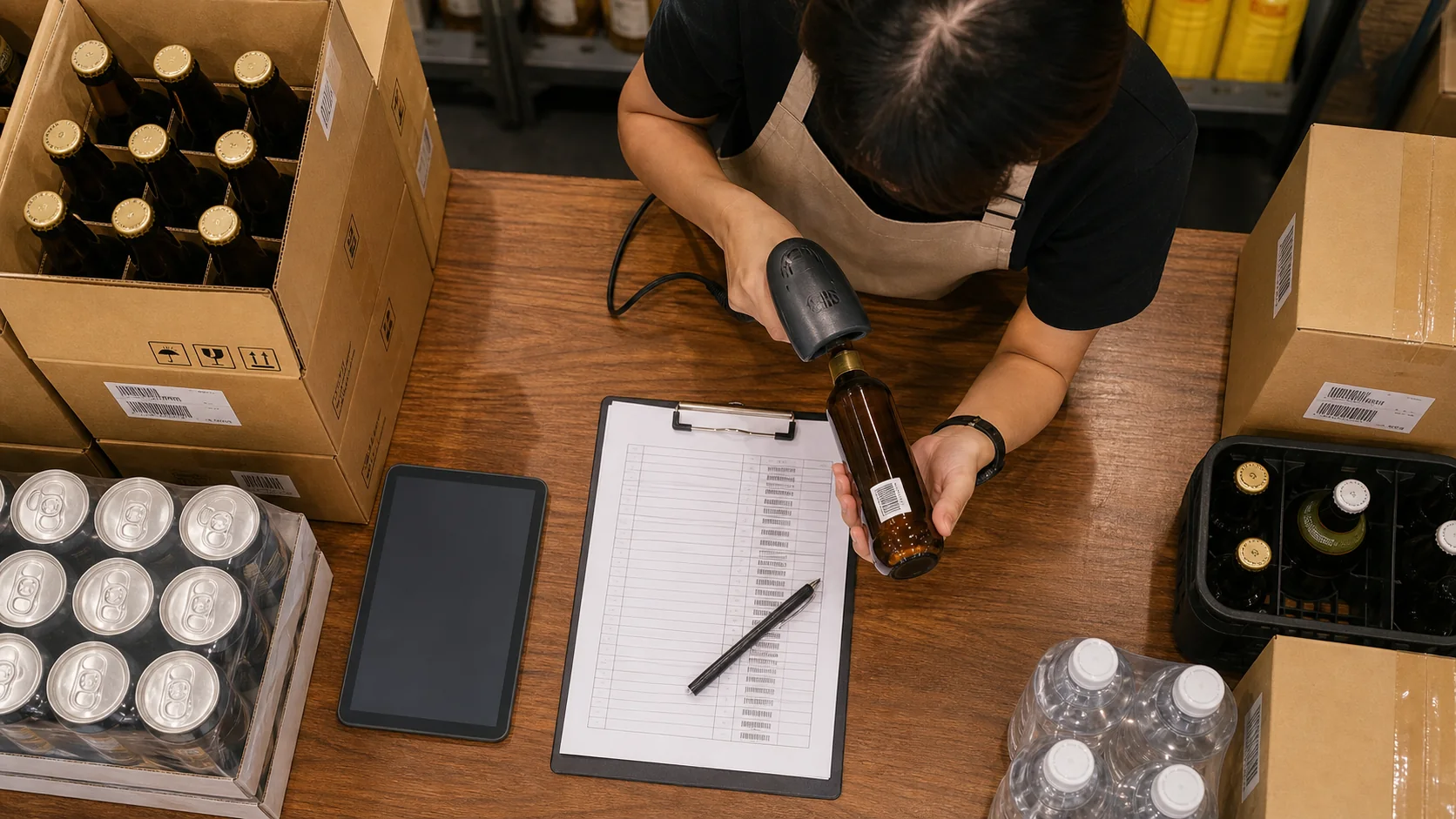
Barcode scanners, customer displays and cash drawers should be selected for compatibility and daily transaction volume.
Software Considerations
Ease Of Use
Staff should be able to learn common tasks quickly without sacrificing management capability.
Reporting
The platform should turn transactions into useful insights, not simply store historical records.
Inventory And Staff
Inventory, permissions and staff activity should be connected to the wider operation.
Customer Loyalty
Customer profiles and loyalty tools can support repeat business when they are simple for staff and customers to use.
Scalability
Check how the system handles additional terminals, locations, departments, users and product ranges.
Inventory Management Considerations
Strong inventory management should provide stock tracking, movement history, purchasing visibility, low-stock alerts, variance reporting and multi-location control.
Businesses that understand stock usage can make better purchasing decisions, reduce waste and prevent avoidable service disruptions.
Reporting Considerations
Reporting should answer real management questions: What is generating revenue? Which products underperform? Where are stock problems occurring? Which shifts and locations need attention?
Look for real-time access, clear filters, export options, location comparison and reports that connect sales with inventory and staff activity.
Multi-Location Considerations
Businesses planning to grow should look for central reporting, consistent product data, location permissions, inventory transfers and the ability to compare performance fairly.
Multi-location software should reduce complexity rather than create a separate system for each branch.
Hospitality vs Retail Requirements
Restaurants, Cafes And Bars
- Table management
- Mobile ordering
- Kitchen and bar routing
- Menu modifiers
- Happy-hour pricing
- Recipe and ingredient control
Hotels
- Multiple outlets
- Department reporting
- Room service workflows
- Centralised management
- Property and group visibility
Retail Stores
- Barcode scanning
- Product variants
- Inventory accuracy
- Returns
- Customer insights
- Multi-store reporting
How To Calculate ROI On A POS System
Evaluate a POS system as an operational investment, not only a monthly expense.
- Estimate management time saved each week.
- Measure possible waste and inventory reductions.
- Consider faster service and higher customer throughput.
- Estimate the value of better reporting and earlier problem detection.
- Consider losses that stronger visibility may prevent.
The true return often comes from improvements across the entire business rather than from the checkout process alone.
POS Buying Checklist
- Easy for staff to use
- Suitable for your industry
- Strong reporting capabilities
- Inventory management included
- Supports future growth
- Multi-location capable
- Local support available
- Training included
- Reliable hardware options
- Clear implementation process
- Role-based permissions
- Offline continuity understood
- Supports your business goals
Frequently Asked Questions
It depends on the business, but reporting, inventory management, reliability, ease of use and support are often among the most important factors.
Software and operational requirements should usually drive the decision. Hardware should then be selected to support those requirements.
Cloud access often provides greater flexibility, remote reporting and easier scalability. Businesses should also confirm offline behaviour and data continuity.
Yes. Better reporting, inventory management, service efficiency and operational visibility can all support improved profitability.
Choosing on price alone without considering implementation, support, reporting and long-term operational requirements.